

Navigating the World of Sports Law: A Comprehensive Guide to the US and European Models
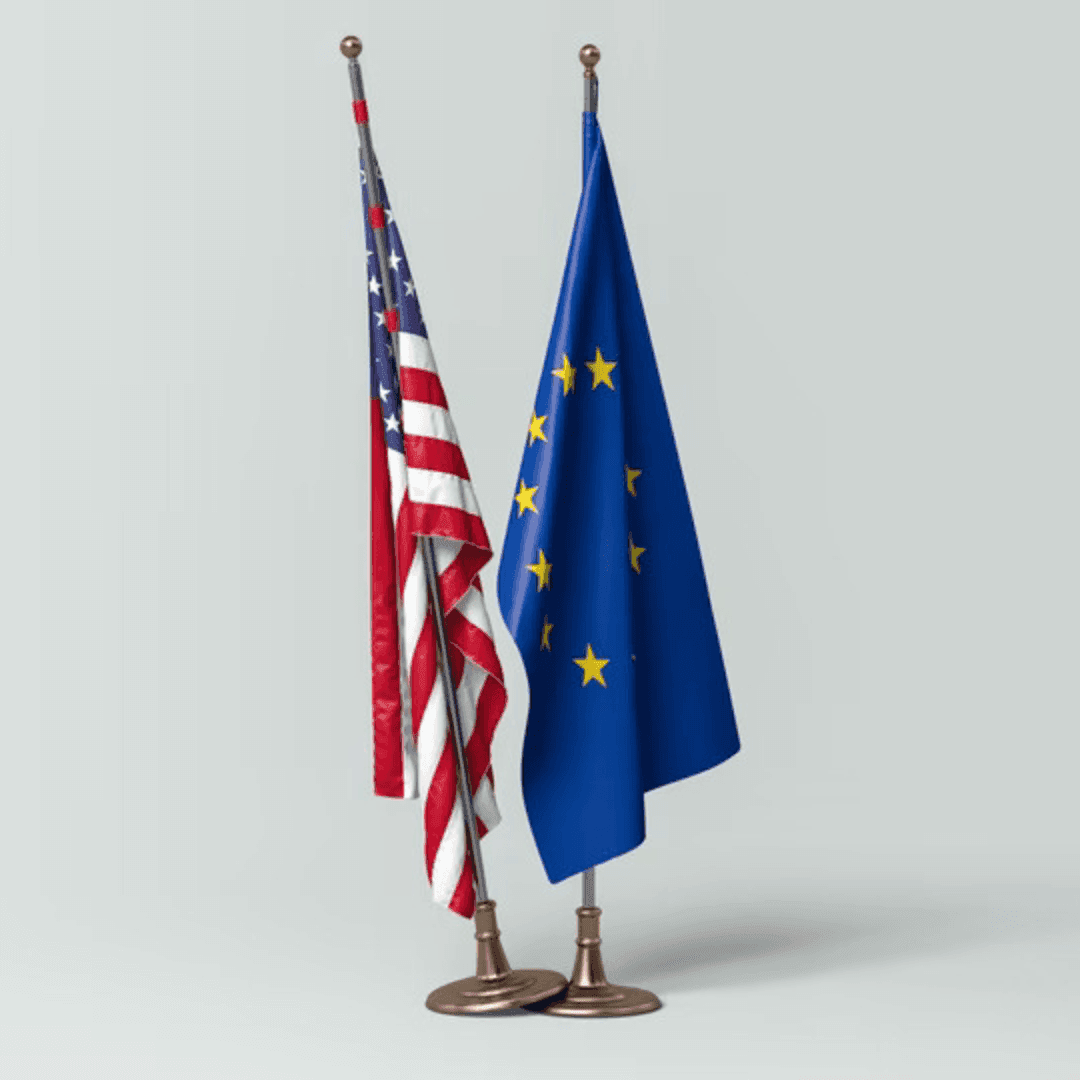
As a sports enthusiast, it is essential to understand the legal frameworks that govern the industry. The world of sports law is vast and complex, with different models and governing bodies depending on the region. In this comprehensive guide, I will provide an overview of the US and European models of sports law, the key players in each system, notable case studies, and emerging trends and challenges. Let's dive in.
Introduction to Sports Law
Sports law is a legal field that encompasses a broad range of issues, including contracts, torts, intellectual property, labor law, and more. Sports law is crucial in the world of sports because it regulates the relationships between athletes, teams, leagues, and governing bodies. The primary goal of sports law is to ensure fairness, safety, and integrity in sports.
Understanding the US Model of Sports Law
The US model of sports law is unique because it is primarily driven by private entities rather than government agencies. The National Collegiate Athletic Association (NCAA), National Football League (NFL), National Basketball Association (NBA), and Major League Baseball (MLB) are the key players in the US sports law system.
The NCAA is responsible for regulating college athletics in the US, while the NFL, NBA, and MLB regulate their respective sports at the professional level. These organizations have significant power and influence over their respective industries, including the ability to create and enforce rules, negotiate contracts, and discipline players and teams.
Key Players in the US Sports Law System - the NCAA, NFL, NBA, and MLB
The NCAA is the primary governing body for college athletics in the US. It is responsible for enforcing rules and regulations related to recruiting, scholarships, eligibility, and more. The NCAA also oversees championship events, such as March Madness and the College Football Playoff.
The NFL, NBA, and MLB are the top professional sports leagues in the US. Each league has its own set of rules and regulations, as well as a collective bargaining agreement (CBA) with its respective players' union. The CBAs govern issues such as player contracts, salaries, and benefits, as well as disciplinary procedures.
The European Model of Sports Law - An Overview
The European model of sports law differs significantly from the US model. In Europe, sports law is primarily governed by public entities, such as the European Union (EU) and national governments. The EU has been particularly influential in shaping sports law in Europe, with the European Court of Justice (ECJ) issuing several landmark rulings related to sports.
FIFA, CAS, and IOC - Global Governing Bodies of Sports Law
FIFA, the International Olympic Committee (IOC), and the Court of Arbitration for Sport (CAS) are the primary global governing bodies of sports law. FIFA is responsible for regulating international soccer, while the IOC oversees the Olympic Games. CAS is an independent organization that resolves disputes related to sports through arbitration.
Differences Between the US and European Models of Sports Law
The primary difference between the US and European models of sports law is the role of private versus public entities. In the US, private organizations like the NCAA and professional sports leagues have significant power and influence over their respective industries. In Europe, public entities like the EU and national governments play a more significant role in regulating sports.
Another key difference is the approach to antitrust law. In the US, antitrust laws are used to prevent monopolies and promote competition. In Europe, antitrust law is used to protect the principle of sport's autonomy, or the ability of sports organizations to govern themselves.
Case Studies - Notable Sports Law Cases in the US and Europe
There have been several notable sports law cases in the US and Europe in recent years. One of the most significant cases in the US was the O'Bannon v. NCAA case, which challenged the NCAA's use of student-athlete likenesses without compensation. In Europe, the Bosman ruling was a landmark case that established the principle of free movement of players within the EU.
Future of Sports Law - Emerging Trends and Challenges
The world of sports law is constantly evolving, with new challenges and trends emerging regularly. One of the most significant challenges facing sports law is the rise of technology and its impact on sports. Issues such as data privacy, cybersecurity, and the use of artificial intelligence are becoming increasingly important in sports law.
Another emerging trend is the focus on athlete welfare and mental health. As more attention is being paid to the physical and mental tolls of sports, sports law is beginning to address these issues.
Career Opportunities in Sports Law
There are several career opportunities available in sports law, including working for sports organizations, law firms, and government agencies. Some common roles in sports law include sports lawyers, agents, and compliance officers.
Conclusion - Why Understanding Sports Law is Crucial in the World of Sports
In conclusion, understanding sports law is essential for anyone involved in the world of sports. Whether you are an athlete, coach, team owner, or fan, sports law regulates the relationships and rules that govern sports. By understanding the US and European models of sports law, key players, notable case studies, and emerging trends and challenges, you can gain a deeper appreciation for the legal framework that underpins the sports industry.
CTA: If you are interested in pursuing a career in sports law, consider researching law schools and internships that specialize in sports law. Stay up-to-date on the latest developments and trends in sports law by reading legal publications and attending conferences and seminars.